By Farwa Sial and Fadiah Nadwa Fikri
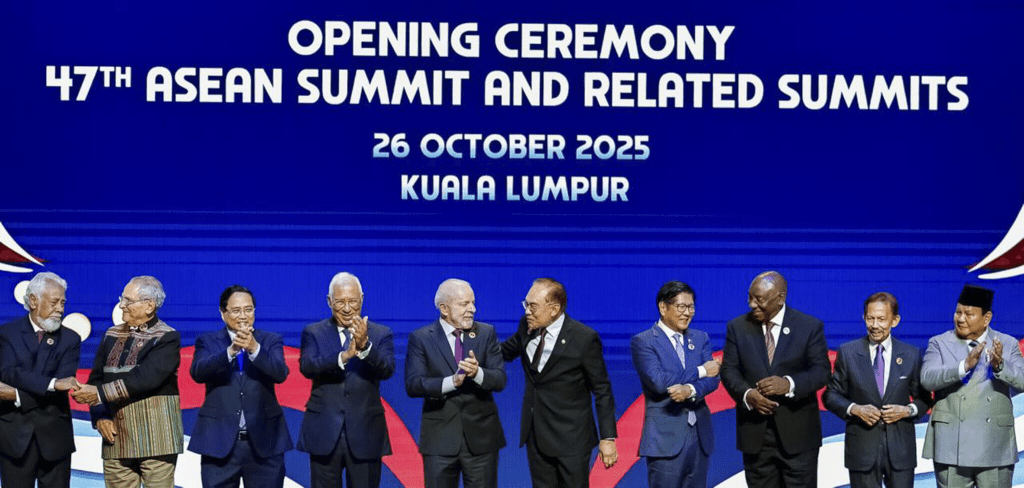
The 47th Summit of the Association of Southeast Asia Nations (ASEAN), held in Malaysia in October 2025, was a pivotal moment in the ongoing attempts by the United States to redefine the socioeconomic trajectory of Southeast Asia. While much analysis of the Summit has focused on the impact of US tariffs, there has been less attention to how these deals constrict the region’s monetary autonomy. Here we focus on the stipulations in the deals that will impose monetary subservience in Malaysia and Thailand, under the framework of ASEAN. The signing of these agreements is not a purely exogenously drive, but rather aligns with ASEAN’s historical anticommunist foundations. By deepening the region’s subordination to the United States while simultaneously expanding trade relations with China, the deals also hold implications for reconfiguring racial and class dynamics in the region.
Read More »




 Developing Economics