
In the past two decades, global health governance has undergone a quiet revolution, shaped less by sovereign states and more by the growing influence of private capital. The World Health Organisation (WHO), once envisioned as the democratic engine of international public health, has increasingly come to rely on large-scale philanthropic foundations. This shift toward what is now commonly termed “philanthrocapitalism”—where billionaire-funded entities use business strategies and methods to tackle social and environmental challenges—has profound implications. It is not just a matter of money, but of power, accountability and legitimacy. Amid what many now describe as a global health financing emergency, the WHO’s growing dependence on a handful of wealthy private actors has exposed deep cracks in the system of multilateralism upon which it was founded. Thus, philanthrocapitalism is undermining democratic global health governance by concentrating power in the hands of the wealthy and eroding public accountability.
Read More »


 Conventional economics is notorious for having created a highly persuasive analytical toolbox. The challenge of this stream of the profession until the 1960s was to prove the logical possibility that the market could not only coordinate the entire economy, but also keep it stable at that single point of optimum equilibrium. In order to boast the wonders of decentralized market exchange, the theory paradoxically invoked the metaphor of a “benevolent social planner”.
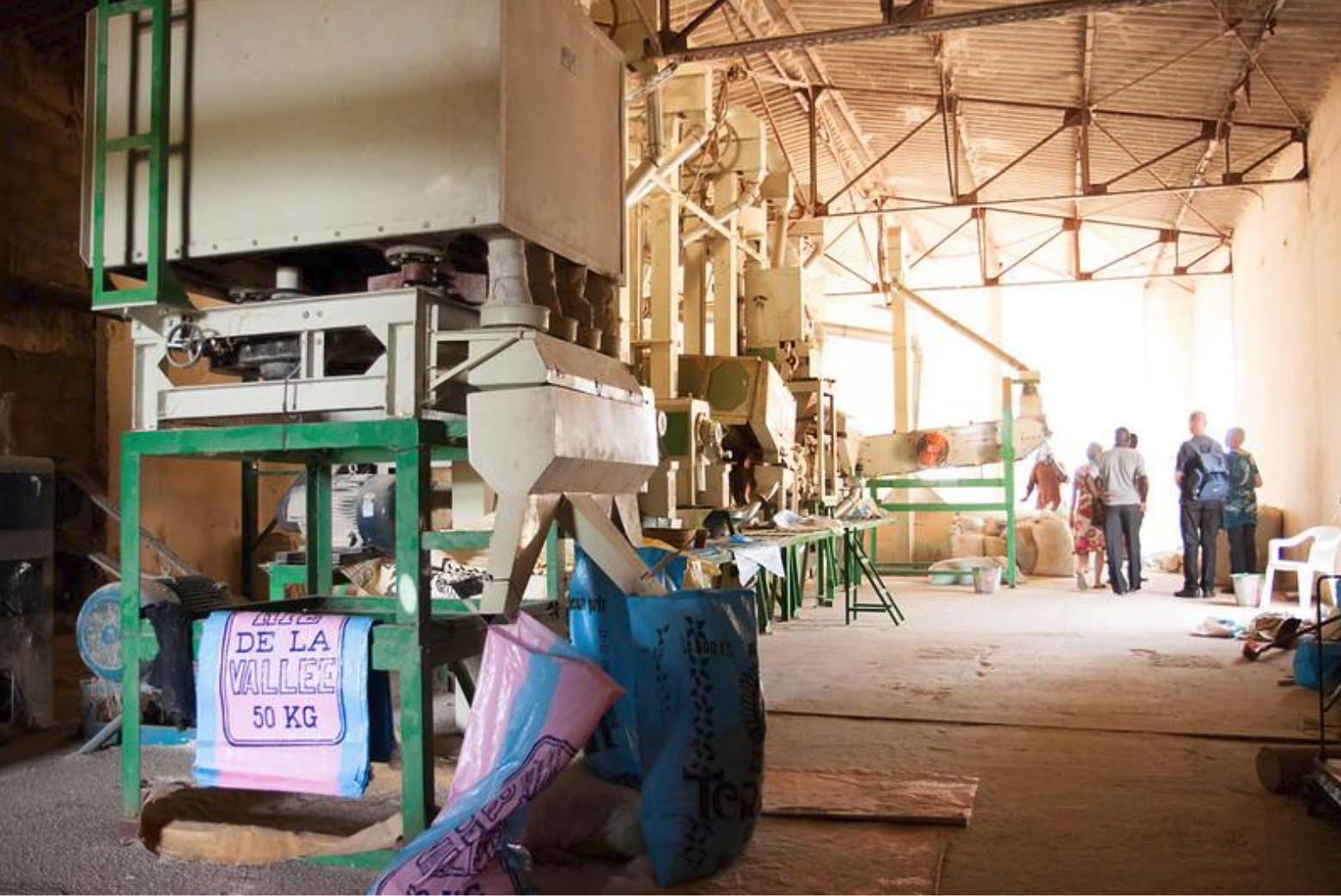 As COVID-19 threatens rice imports from Asia, Wes
 Developing Economics