
‘The principal enemy is orthodoxy: to use the same recipe, administer the same therapy, to resolve the most various types of problems; never to admit complexity and try to reduce it as much as possible, while ignoring that things are always more complicated in reality.
Albert O. Hirschman (1998:110)
It’s clear from last week’s blog posts by Duncan Green that he is tired of academic critique against aid which have not been translated into concrete solutions (see here and here). However, the problem with his ‘marmite’ approach to addressing very complex problems is that it leads to reductive debates which are more symptomatic of the problem than constructive ways of finding solutions. Following Pablo Yanguas’ synthesis of research approaches I thought of taking a step back and analyzing the case of a successful aid recipient, South Korea. I do this in hope of moving away from the ‘literature’ – which Duncan finds overbearing – as well as getting away from the linearity of the contemporary monitoring and evaluation approach used by the aid sector. Read More »



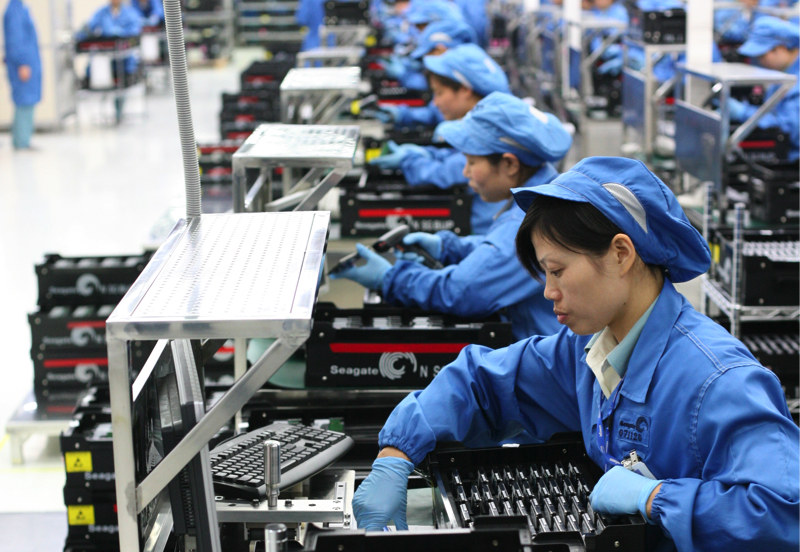 Recent research suggests that late industrializers have not been following previously observed patterns in terms of sectoral change and employment, but the effect of these changing structural patterns on well-being and the distribution of gains from growth has not yet been systematically examined. There is a global shift towards both lower employment in industry at all levels of income per capita and de-industrialization, the shift from manufacturing to service employment, taking place at significantly lower levels of income (See work by
  Developing Economics