By Lena Rethel, University of Warwick.
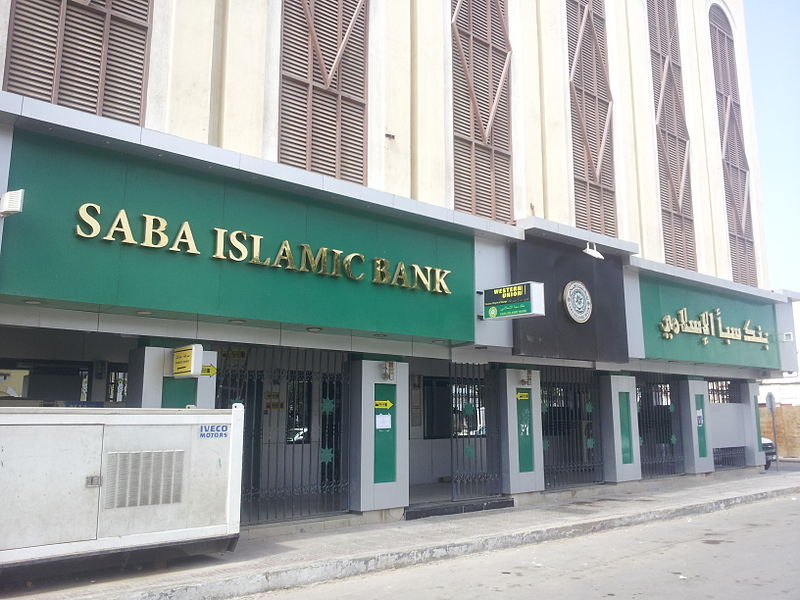
With the rise of financial inclusion as the new buzzword in global development circles, it has replaced earlier items on the reform agenda such as financial modernisation or financial deepening. By their very nature financial inclusion projects are inherently political – their underlying rationale is to change who has access to what forms of credit and at what conditions. Financial inclusion is both a multi-scalar and multi-faceted phenomenon. Needless to say that its dynamics play out differently in different countries and regions. However, before uncritically embracing the financial inclusion agenda as a means to achieving a more equitable economic order, more attention should be paid to what constitutes a fundamental set of questions: who includes whom, in what and on whose terms? In this blog entry, I want to highlight some of the key issues that have emerged in relation to Islamic finance. Read More »



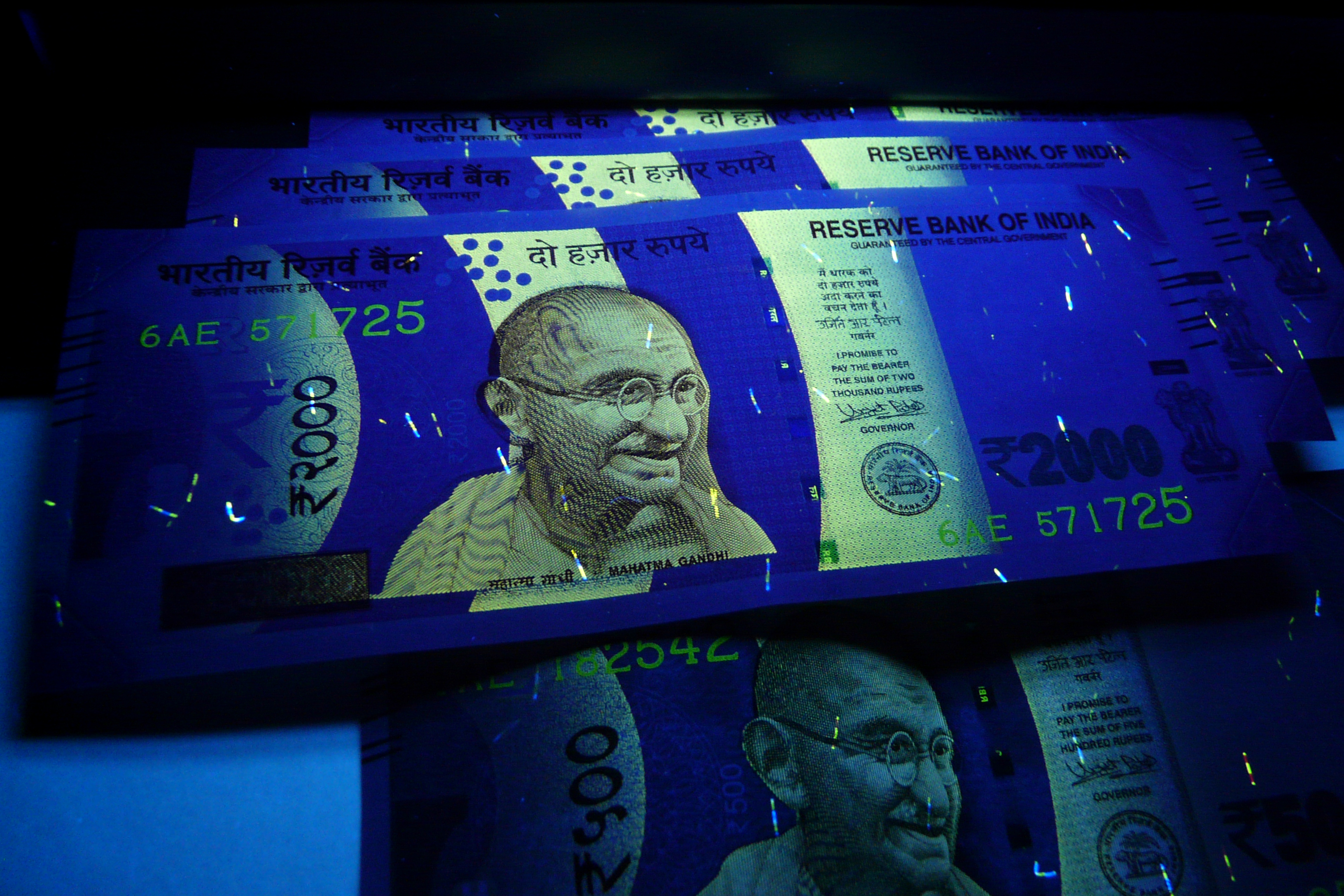 On 8th November, 2016, the Indian government announced that it was banning the use of 500 and 1000-rupees currency notes from midnight, effectively scrapping 86% of India’s currency notes by value. The Indian public would have to change the outlawed currency notes for new ones at bank counters by the end of the year.
 Why are poor people offered financial inclusion products? One answer to this question is that the poor have
  Last month, central bankers and politicians around the world remembered the global financial crisis and the lessons learnt in its wake. The consensus goes at follows: we have done a great deal to reform banks and protect tax payers from their aggressive risk taking but we haven’t done enough on shadow banking. At this point, the consensus fragments. Central banks claim that they need more power to deal with systemic risks stemming from the shadows, whereas politicians worry about the moral hazards involved in future rescues of shadow banks like Lehman.
