
Early in his second presidency, Donald Trump’s imposition of tariffs was met with widespread scepticism. Critics warned of economic decline and a global backlash. Yet the current landscape for the United States paints a more complex picture.
Less than a year into his second term in office, the White House claims that Trump is bringing manufacturing back to the US. It also proclaims that Trump has secured trillions of dollars of foreign direct investment (FDI) in 2025 alone. Other voices, however, estimate that these commitments will amount to just a fraction of that.
So what’s the true picture? Much of this FDI is going into the US’s burgeoning semiconductor sector. This inward investment is indeed a stark reversal from the post-1991 trend of outbound American capital, when US firms raced to set up factories in countries where it was cheaper to manufacture.
And the surge is bolstered by commitments of US$300 billion (£225 billion) in capital investment commitments from tech giants like Amazon, Microsoft, Alphabet and Meta. These investments reflect both Trump’s aggressive diplomacy and his close relationship with Silicon Valley’s tech elite.
Despite concerns about a tech bubble, these investments signal a deepening state-private partnership, and a reorientation of priorities with a view to coming out on top in the global AI race.
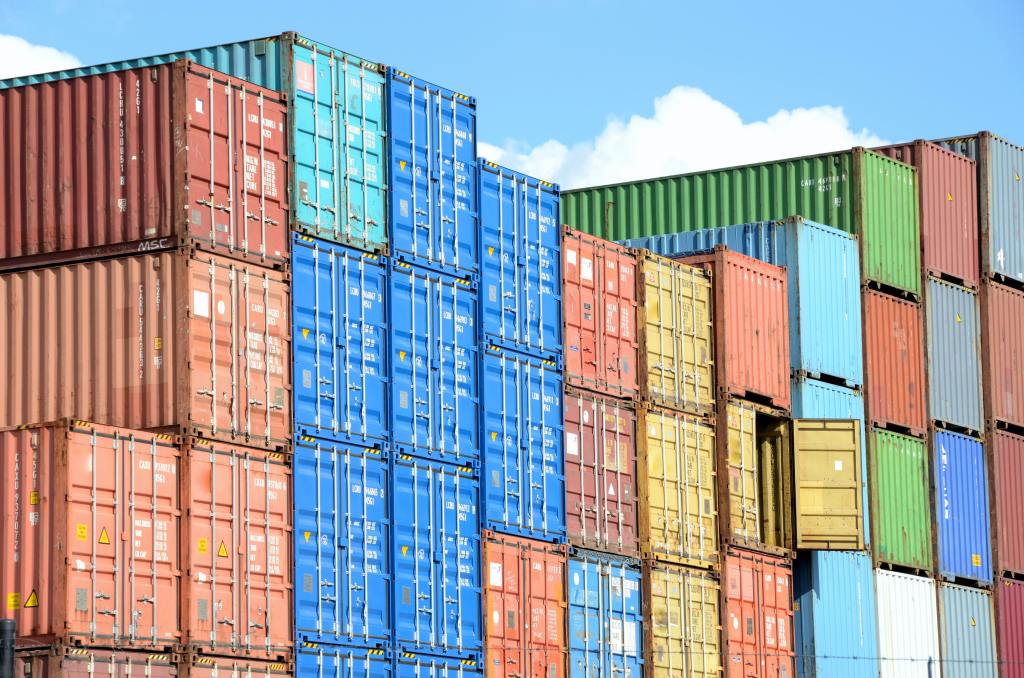
Central to this strategy is the reshaping of global supply chains. At a conference of venture capitalists in March, US vice-president J.D. Vance criticised US firms for their reliance on cheap overseas labour. He warned of the risks of losing the US’s technological advantage, especially to China.
Read More »


 From Quantitative Easing to neo-mercantilist policies, the renewal of industrial policy, the multiplication of sovereign wealth funds and marketized state-owned enterprises, increased state participation in global value chains and global networks of corporate ownership, the state seems to be ‘back in business’ everywhere. This raises a series of questions:
 Developing Economics