
In his acclaimed poem “America” from 1956, Allen Ginsberg warned about the new vices of American society. Beyond the clear demonization of communist ideals, the star of the beat generation warned about the growing influence of the media on the thinking of individuals.
With globalization, the commodity fetishism disguised as the American dream entered not only the minds of the citizens of the United States but the rest of the globe. In addition, with the financialization of the economy, the debt culture also surpassed the American borders, reaching the countries of the Global South.
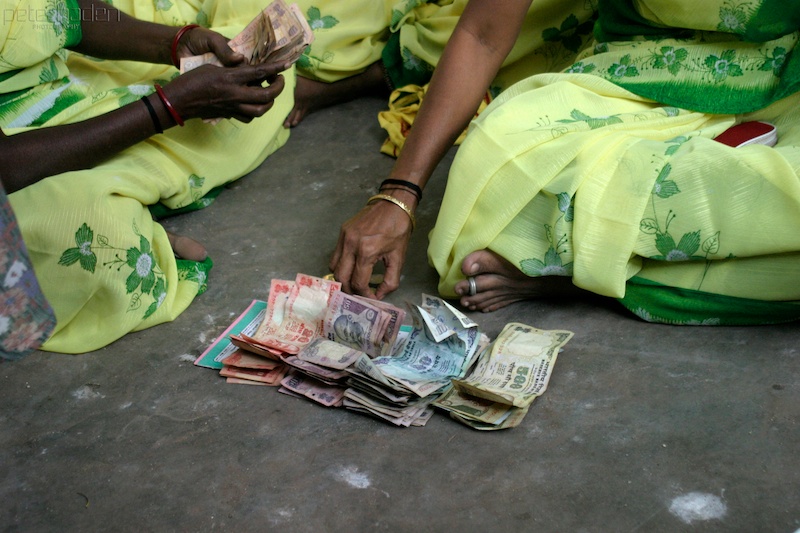
There is no day when the media does not bombard us with advertisements that promote a consumer culture, inciting us to acquire goods that we cannot afford with our income. This is where credit plays the role of a “savior entity” through which we can satisfy our deepest desires. However, unlike the developed countries, which have high levels of access to financial services, the underdeveloped countries are subject to a subordinated financialization that limits the possibilities of households and non-financial companies of acquiring a loan and, consequently, complicates the satisfaction of our consumerist spirit and the development of the productive sphere. The notion of subordinated financialization was first proposed by Jeff Powell (2013) to designate the specific way in which financialization manifests itself in underdeveloped economies. The level of access to financial services that a country has is known as financial inclusion, however, in the case of Mexico, this level is so low that we are facing financial exclusion.Read More »

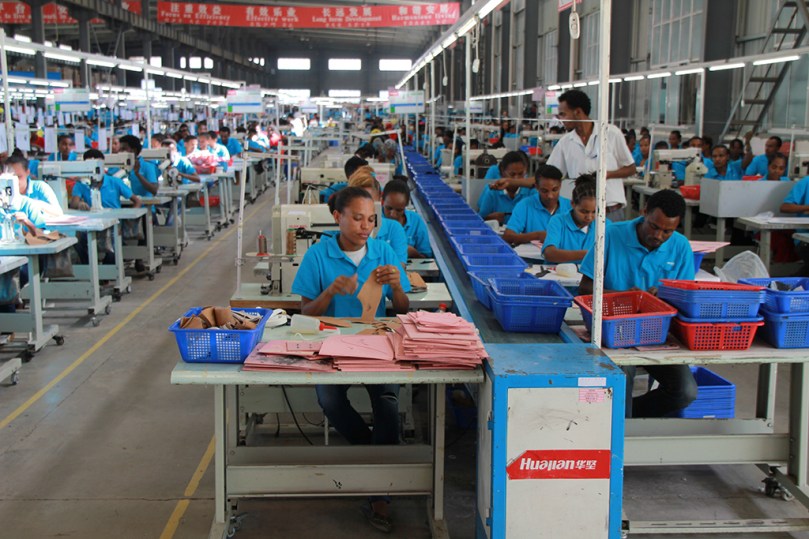
 While classical political economy has been considered outdated by many social scientists, I argue here that it can provide insights about the world today and the challenges we face.[1] One of these insights has to do with the early disagreement that existed between Adam Smith and the mercantilists of his era with regards to the wealth of nations, a topic sometimes captured under the label “development”. Based on this disagreement, this blog post develops a typology of Smithian and Mercantilist nations as different models of capitalist development that may be considered alternatives for developing countries today.
 The debate in Higher Education (HE) in the UK is slowly starting to recognise that inequality in education is both the cause and consequence of societal elitism. As a result, there is an increasing debate about widening access to academia, and more and more newspaper
  This summer, we take stock of the most interesting economics-related books that have been released over the past year. Every year, Martin Wolf of the Financial Times makes a similar list. However, by his
  Developing Economics