
By Gianluca Iazzolino and Laura Mann.
Getting access to credit is a critical challenge for small-holder farmers all over Sub-Saharan Africa . A new breed of financial-technology firms (fintech) promises to address this issue, claiming that digital technologies can lower the barriers for borrowers and cut transaction costs for lenders. As part of our ongoing project on digitisation and data in US and Kenyan agriculture, we have been examining these claims, studying how tech companies translate them into business initiatives and exploring the implications for knowledge production, economic growth and value redistribution.
In rural Kenya, fintech innovations are premised on greater efficiency and transparency and inspired by narratives of digital disintermediation. Similarly to what argued for migrant remittances by Vincent Guermond in a previous post of this blog series , digital lenders harness data (extracted through digital infrastructures) and algorithms to make farmers more legible and, therefore, more predictable. In order to expand their pool of data, Kenyan fintechs are increasingly embedding themselves into inter-connected digital infrastructures, or platforms. These platforms provide farmers with end-to-end solutions, and thereby bundle together financial services with the provision of agricultural inputs and information extension services. In so doing, lenders recalibrate and harmonize their risk-assessment procedures, and construct an ideal type of farmer whose financial behaviours and importance in the local value chain can be clearly pinned down.Read More »

 In recent decades, market-based solutions such as financial inclusion have become more popular in developed countries to reduce inequalities and boost wealth and incomes of the poor. There is no better example of this than the recent thrust of low-income families, women, ethnic minorities, and the young into the subprime mortgage lending expansion in the USA since the early 2000s. Higher access to formal loans for these households was argued to enable them to climb the magical ladder of homeownership and achieve their American Dream. But as we know, the picture didn’t turn out to be quite so rosy.
 Microfinance has been widely hailed as one of the most innovative tools for fighting against poverty. It has generated global attention over the last two decades, especially since the UN declared 2005 the ‘Year of Microcredit’ and the 2006 Nobel Peace Prize was awarded to microfinance pioneer Muhammad Yunus and the Grameen Bank. This led to a significant expansion of the sector in the last decade. According to the World Bank (2015), the microfinance industry is estimated to have $60-100 billion in loans outstanding, and several thousand microfinance organizations reach an estimated 200 million clients. 32.5 million of these clients are in India and 90 percent of them are women.

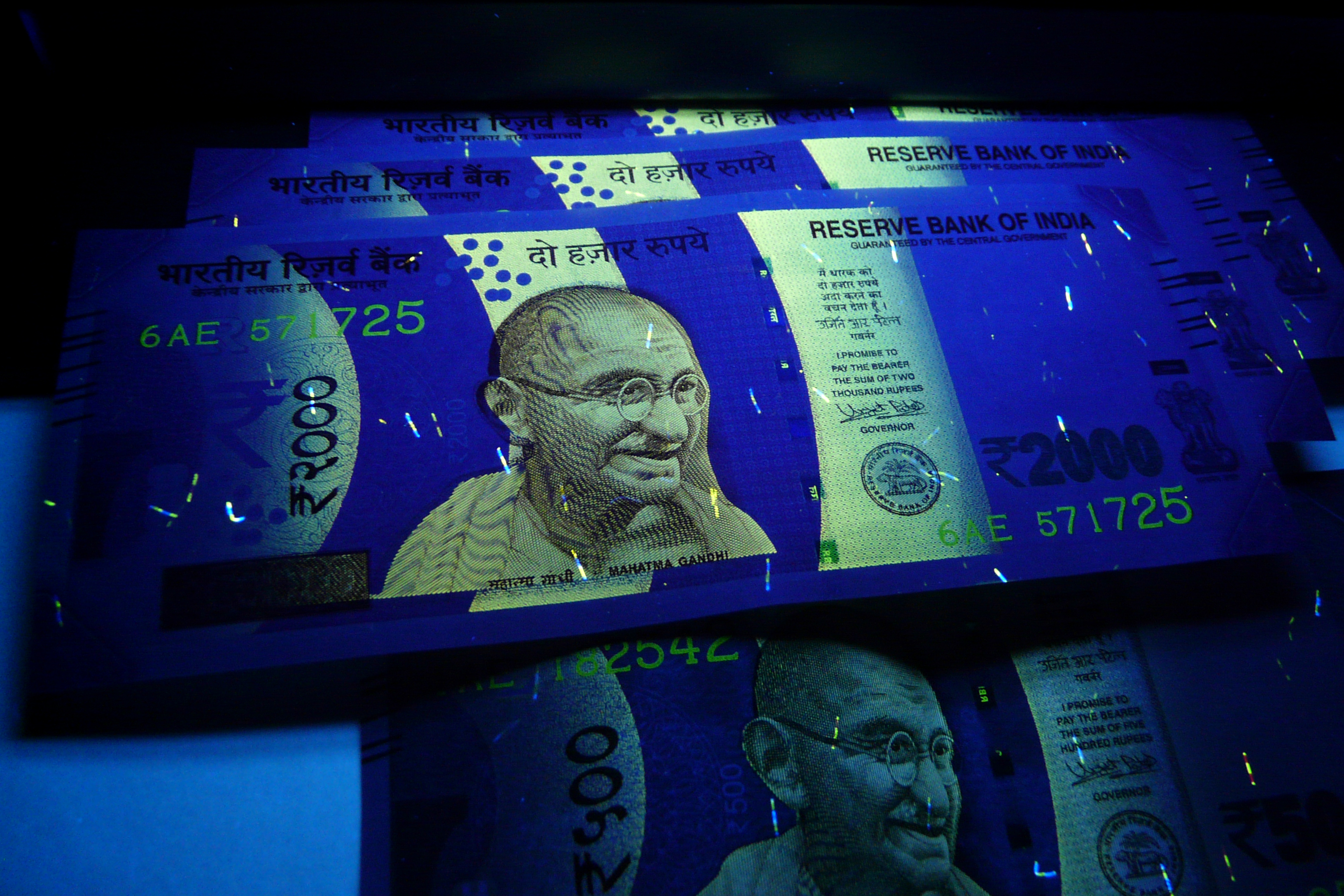 On 8th November, 2016, the Indian government announced that it was banning the use of 500 and 1000-rupees currency notes from midnight, effectively scrapping 86% of India’s currency notes by value. The Indian public would have to change the outlawed currency notes for new ones at bank counters by the end of the year.
 Developing Economics