
In his acclaimed poem “America” from 1956, Allen Ginsberg warned about the new vices of American society. Beyond the clear demonization of communist ideals, the star of the beat generation warned about the growing influence of the media on the thinking of individuals.
With globalization, the commodity fetishism disguised as the American dream entered not only the minds of the citizens of the United States but the rest of the globe. In addition, with the financialization of the economy, the debt culture also surpassed the American borders, reaching the countries of the Global South.
There is no day when the media does not bombard us with advertisements that promote a consumer culture, inciting us to acquire goods that we cannot afford with our income. This is where credit plays the role of a “savior entity” through which we can satisfy our deepest desires. However, unlike the developed countries, which have high levels of access to financial services, the underdeveloped countries are subject to a subordinated financialization that limits the possibilities of households and non-financial companies of acquiring a loan and, consequently, complicates the satisfaction of our consumerist spirit and the development of the productive sphere. The notion of subordinated financialization was first proposed by Jeff Powell (2013) to designate the specific way in which financialization manifests itself in underdeveloped economies. The level of access to financial services that a country has is known as financial inclusion, however, in the case of Mexico, this level is so low that we are facing financial exclusion.Read More »
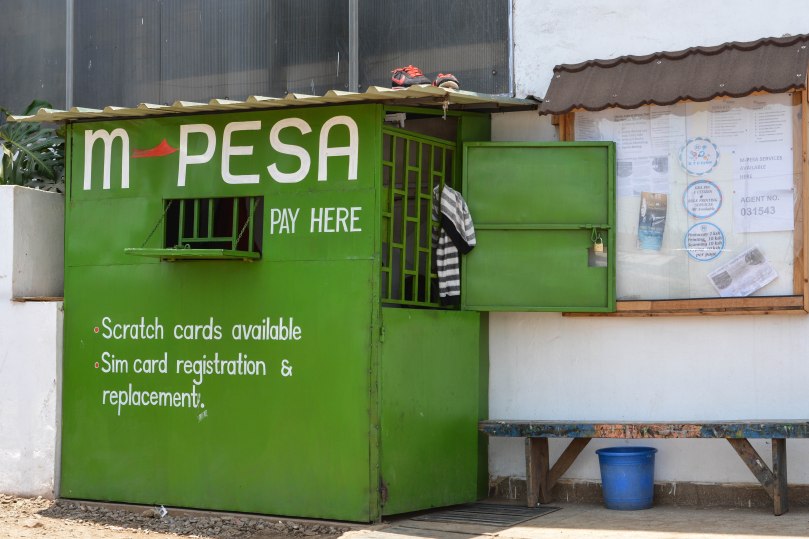



 In recent decades, market-based solutions such as financial inclusion have become more popular in developed countries to reduce inequalities and boost wealth and incomes of the poor. There is no better example of this than the recent thrust of low-income families, women, ethnic minorities, and the young into the subprime mortgage lending expansion in the USA since the early 2000s. Higher access to formal loans for these households was argued to enable them to climb the magical ladder of homeownership and achieve their American Dream. But as we know, the picture didn’t turn out to be quite so rosy.
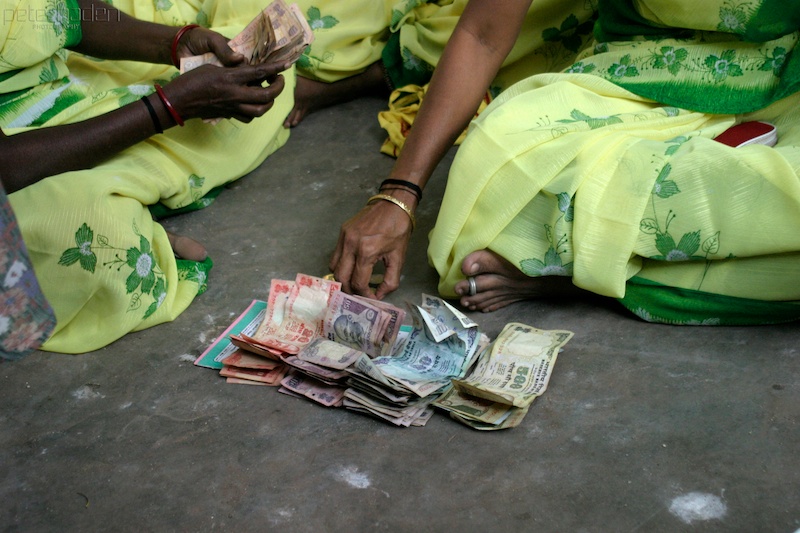
  Microfinance has been widely hailed as one of the most innovative tools for fighting against poverty. It has generated global attention over the last two decades, especially since the UN declared 2005 the ‘Year of Microcredit’ and the 2006 Nobel Peace Prize was awarded to microfinance pioneer Muhammad Yunus and the Grameen Bank. This led to a significant expansion of the sector in the last decade. According to the World Bank (2015), the microfinance industry is estimated to have $60-100 billion in loans outstanding, and several thousand microfinance organizations reach an estimated 200 million clients. 32.5 million of these clients are in India and 90 percent of them are women.
 Developing Economics