 By Callum Cant, Sai Englert and Jamie Woodcock
The so-called platform economy – the distribution of, and access to work through websites and apps – continues to grab headlines and the imagination of policy makers, researchers, and journalists the world over. Much attention is given to its rapid expansion, its potential for further growth, and the large amounts of wealth generated through it.
Amongst many others, PWC (2015) published a much-quoted study, if not always critically, which projected global revenues of $335 billion in 2025. If those numbers are potentially inflated, different valuations do point to a significant financial importance. For example, in 2015 ‘17 companies operating in the platform economy were valued at over $1 billion. Of these 17, 12 were based in the US, one in India (Olacabs), one in China (Kuaidi Dache), one in Australia (Freelancer), one in New Zealand (Trademe) and one in the UK (TransferWise)’.
Alongside these macro observations, an equally large amount of ink continues to be spilt about the liberating nature of the platform for the worker (for a particularly excited account see here). The gig worker, we are told, is entering a new reality free of the constraints of oppressive 9-5 employment, far away from the controlling gaze of their manager, able to choose when to work, set their own wages, and whom to work for. A new dawn of democratised entrepreneurialism is supposedly upon us.
Yet the actual evidence is – perhaps unsurprisingly – less rosy. Across the world, platform workers are confronted with the fact that, far from liberating them (or replacing them), new technologies play a disciplining role, deepening many of the characteristics of working conditions in a neoliberal economy: ranging from insecure and precarious employment relations, to greater managerial oversight and debt control. Callum Cant has masterfully documented some of these processes in his recent book on Deliveroo riders, as Jamie Woodcock and Mark Graham have done in their critical introduction to the gig economy. Read More »
 Nobel Laureate
 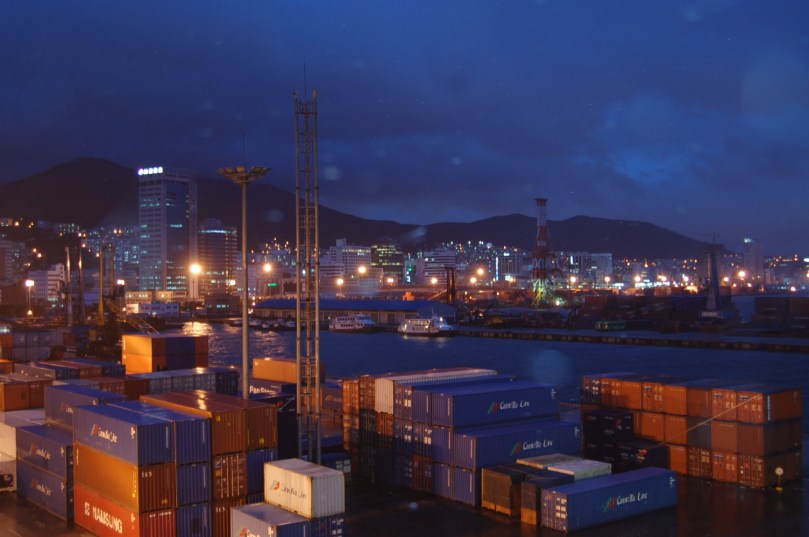 During the high period of global neoliberalism (1980-2008) the international development community essentially banned the heterodox concept of the ‘developmental state’ from polite discussion. One of the reactions to the global financial crisis and the Great Recession that ensued after 2008, however, was a growing call for the
  From Quantitative Easing to neo-mercantilist policies, the renewal of industrial policy, the multiplication of sovereign wealth funds and marketized state-owned enterprises, increased state participation in global value chains and global networks of corporate ownership, the state seems to be ‘back in business’ everywhere. This raises a series of questions:
 Developing Economics